US Shoppers Use AI to Research, but Few Trust It
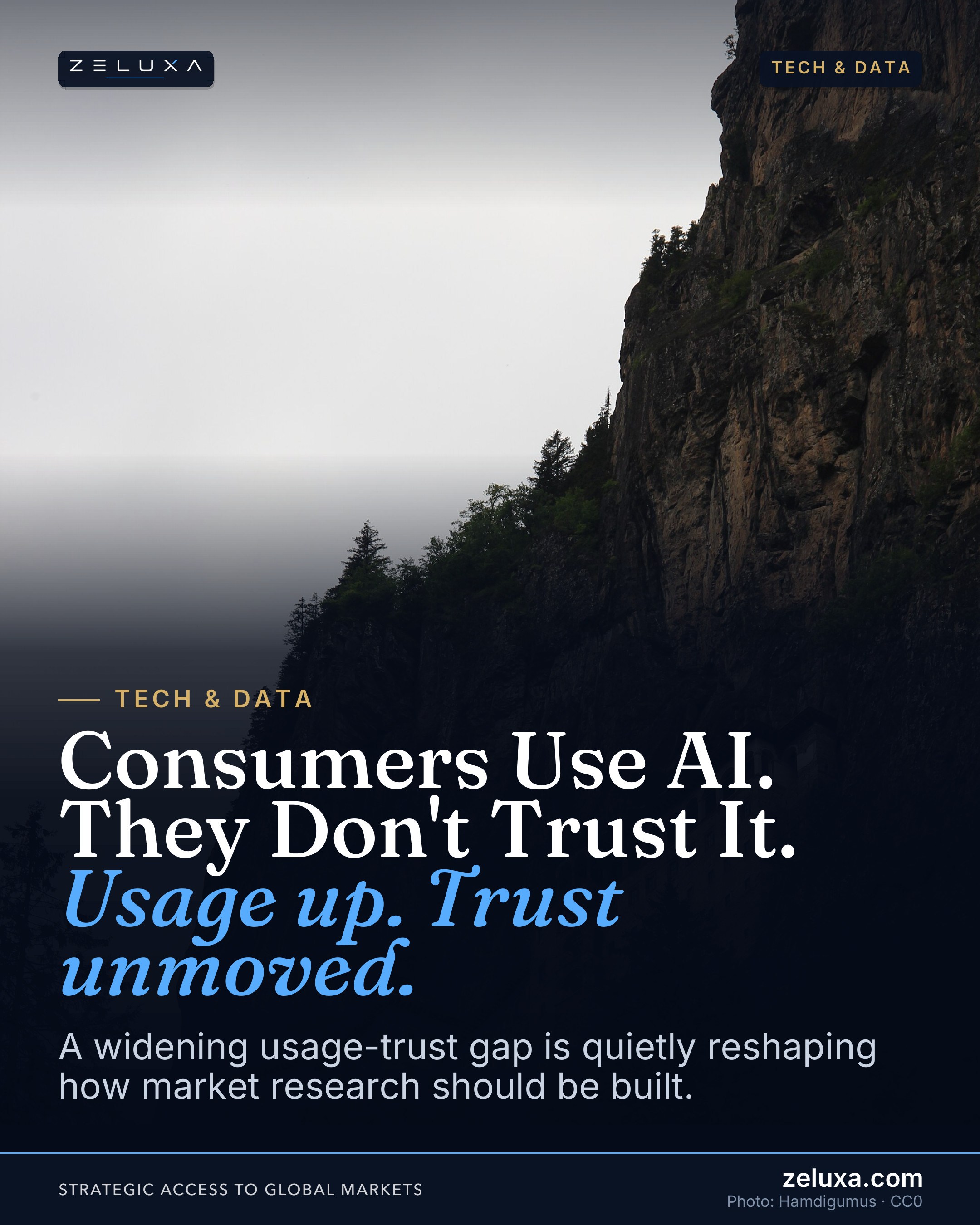
That gap, reported in Alchemer's 2026 Retail Report, is the number that should matter most to anyone building market research right now — not the adoption figure everyone quotes. Usage is outrunning trust by roughly 15 to 20 points across every age group, and the gap doesn't close even among the heaviest users: 74% of 18-29 year-olds research purchases with AI, but only 53% trust the answer they get.
We read this as a data-quality problem dressed up as a trust problem. Generic AI tools summarize whatever is public and indexed. They miss paid panels, in-market pricing checks, retailer-specific shelf data, and anything behind a login. A confident-sounding answer isn't the same as a verified one, and shoppers seem to sense that even when they keep using the tool anyway.
For anyone entering a new market, the implication is direct. If you're using AI to scope a category, size a competitor set or read consumer sentiment before a Türkiye or Gulf launch, ask where the model's confidence actually came from. At Zeluxa we treat AI as a research accelerant, not a source — Survantis pairs the speed of AI-assisted scanning with analysts who verify, triangulate and discard what doesn't hold up.
Where does your team draw the line between an AI summary and a verified finding?
Sources
More insights
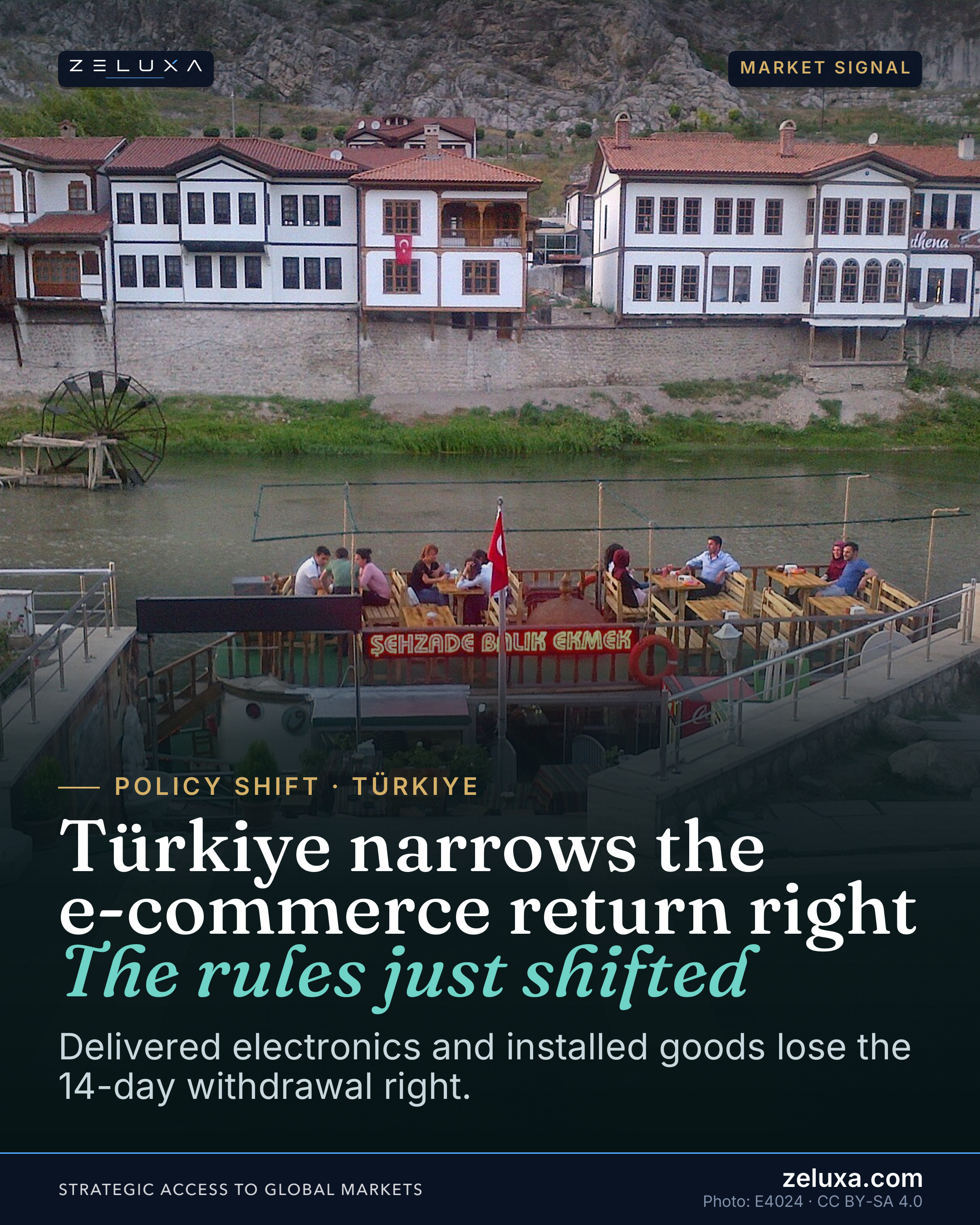
Most compliance checklists for Türkiye still focus on customs and tax. A quieter rule change matters just as much for anyone selling physical goods there.
Türkiye's amended Distance Contracts Regulation, published in the Official Gazette on May 24, 2025, took effect on January 1, 2026. The core change: consumers no longer have the automatic 14-day right to return…
Read insight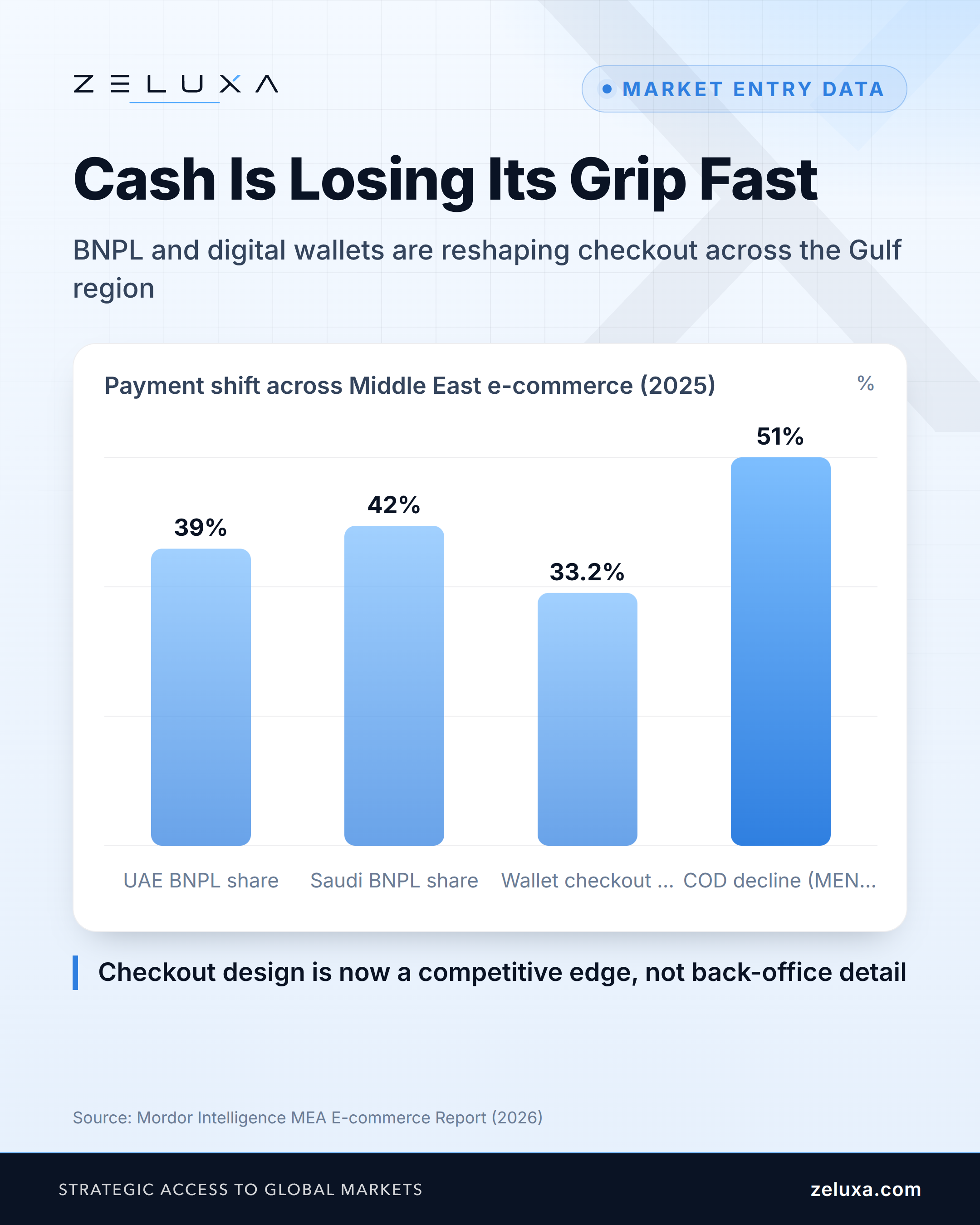
Cash on Delivery Is Declining in Middle East E-commerce
A new Mordor Intelligence report on Middle East and Africa e-commerce puts a number on something we've been watching for a while: cash-on-delivery preference has dropped 51% across the region. Buy-now-pay-later is…
Read insight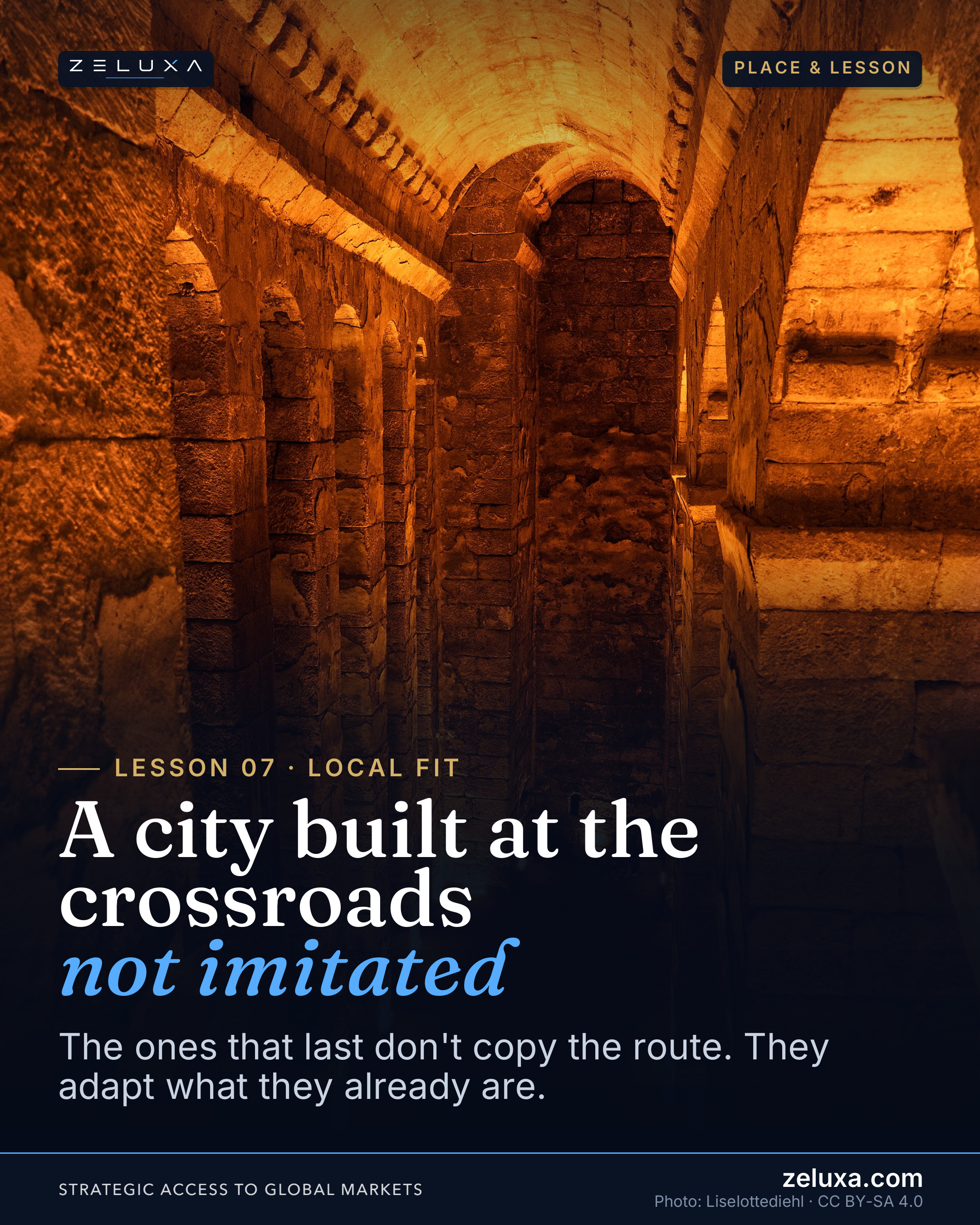
Market Entry Lessons from Mardin: Adapt, Don't Copy
It didn't become a hub by copying whoever arrived. It built with what it had: local limestone, a style of carving no caravan route could import, houses designed for its own climate and its own way of life. Different…
Read insight